Flathead Grey Mullet Catch in Tampa Bay - Night Fishing
Night Bow Fishing in Tampa - What to Expect
5.0

2 Reviews
- 5
 100%
- 4
 0%
- 30%
- 20%
- 10%

Fishing Charter by Captain Ike Carrasquillo in October

- Book an Exciting Tampa Bowfishing Charter Today!


Summary
Join a thrilling night fishing charter with Captain Ike Carrasquillo of Tampa Bowfishing Charters on Thursday, October 15th. This inshore fishing trip puts you on Tampa Bay's shadowed waters after dark, targeting aggressive predators like cobia, crevalle jack, and drum as they hunt under the cover of night. Feel the adrenaline surge when fish strike in the darkness, turning an evening adventure into an unforgettable angling showdown.
Night Bow Fishing with Captain Ike Carrasquillo - Rates & Booking
Captain Ike Carrasquillo of Tampa Bowfishing Charters on Thursday, October 15th brings the intensity of nighttime inshore hunting to Tampa Bay anglers. This 4-hour evening expedition departs at 8:00 PM from Gandy Boat Ramp (subject to seasonal adjustment) and accommodates 2 guests per trip, making it ideal for couples or friends seeking a unique fishing experience together.
The charter includes all necessary gear and equipment, plus professional instruction suitable for both left and right-handed anglers. Captain Ike provides licenses and guidance for newcomers and experienced anglers alike, ensuring everyone walks away with solid technique and unforgettable moments. The specialized bowfishing boat comes equipped with bright lights to illuminate your targets in the darkness, creating the perfect hunting platform for nocturnal predators.
Book your spot online today and prepare for an entirely different tactical challenge than daytime fishing offers. The cooler night air, tranquil water, and aggressive feeding behavior of evening predators combine to deliver pure adrenaline-pumping action.
Highlights of Night Time Bow Fishing
Experience the transformative power of nighttime on Tampa Bay. The iconic bridges and waterfront lights create prime hunting grounds where aggressive predators emerge to feed under darkness. Target powerful cobia ready to strike, hard-fighting crevalle jack launching explosive runs, and tough drum ready for battle. The shadows become your advantage as fish move into shallow waters with less caution, setting up dramatic encounters.
The laid-back atmosphere of evening fishing contrasts sharply with the explosive action when strikes happen. Feel the tension build as you scan the illuminated water, then experience the pure rush when a hard-pulling fish takes your line in the darkness. This is tactical hunting at its finest, where patience meets explosive reward.
Local Species Insights: Flathead Grey Mullet and Tampa Bay Predators
Tampa Bay's nighttime ecosystem transforms after dark, drawing predatory species into shallow feeding zones where your bowfishing expertise becomes the deciding factor. While the Flathead Grey Mullet represents a solid target species, the real action centers on the aggressive hunters that move in to feed under cover of darkness.
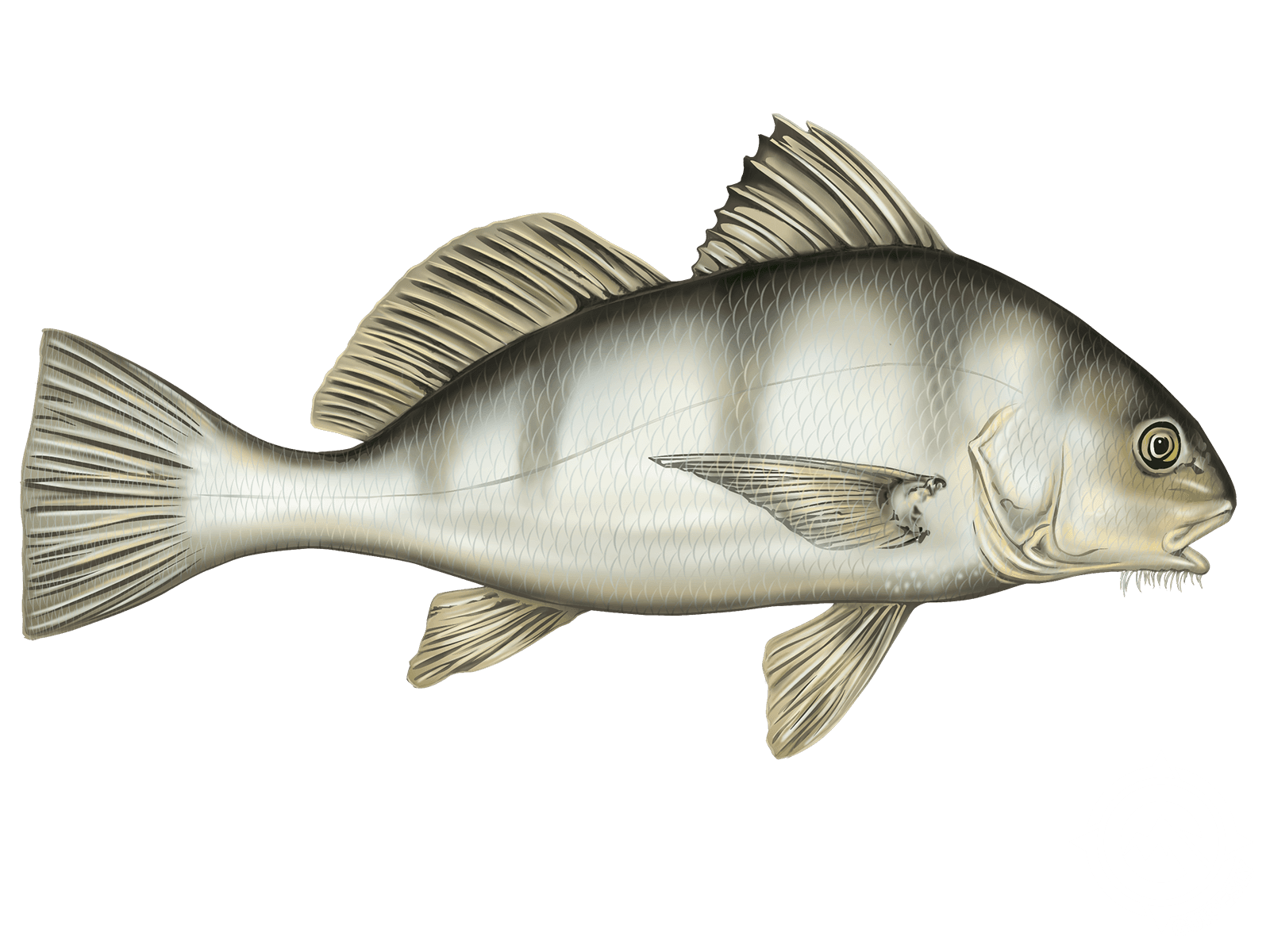
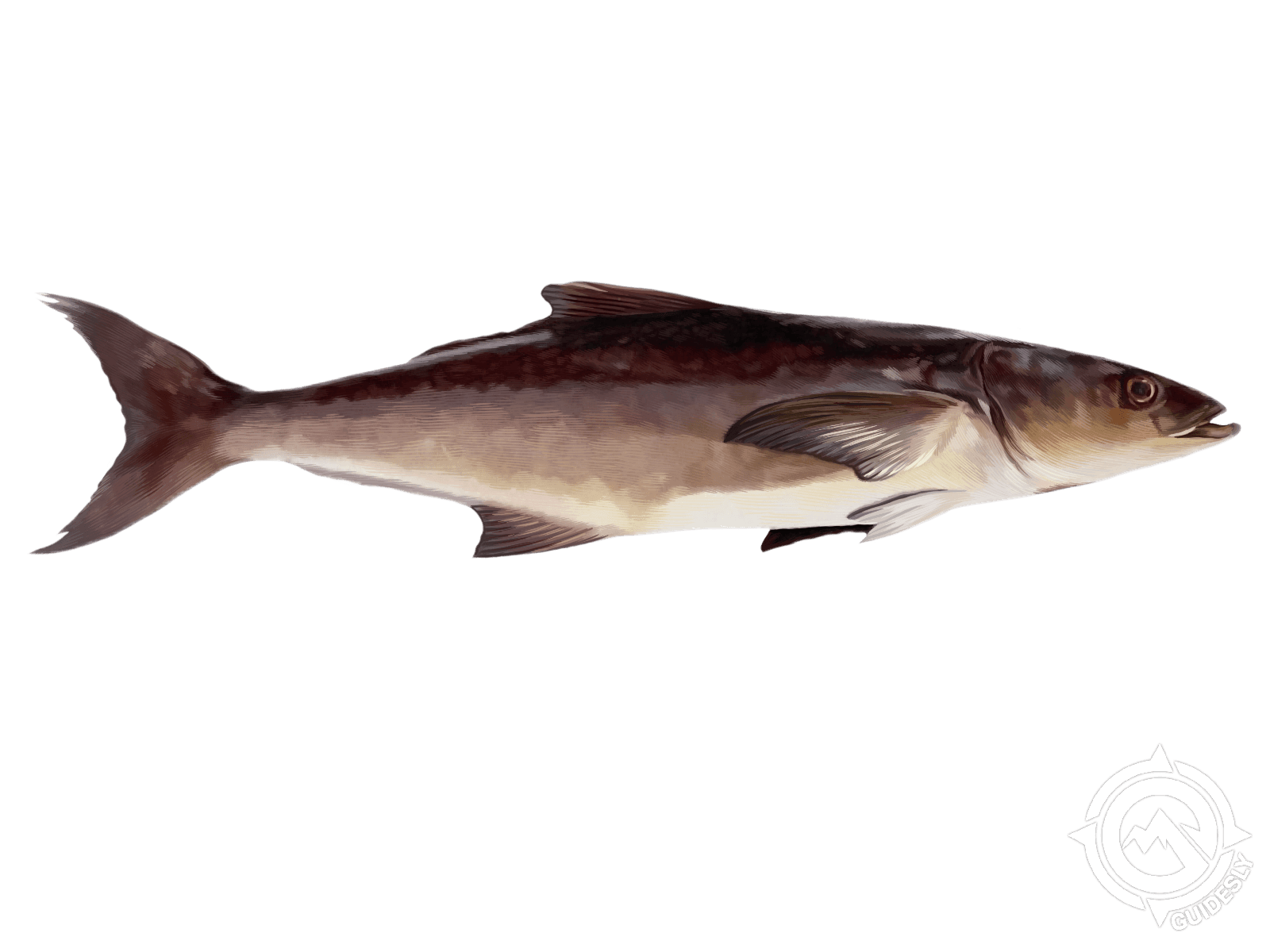
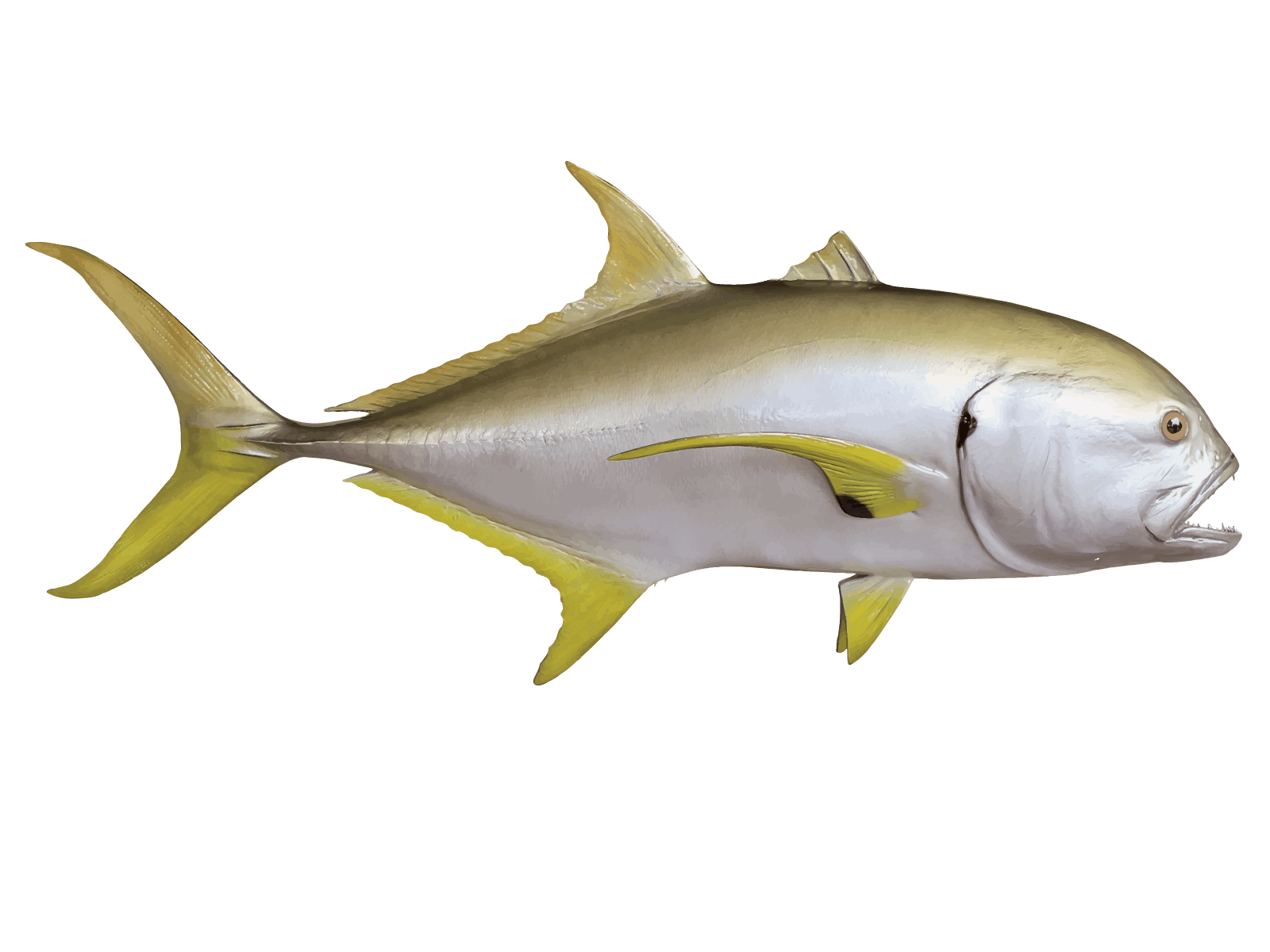
Cobia dominate the aggressive strike category - powerful, determined, and willing to engage when conditions align. These muscular predators hunt actively at night, making them prime targets during your evening expedition. Crevalle jack bring relentless energy to the fight, with explosive runs and determined head shakes that test both your gear and your focus. Drum species round out the trinity of nighttime predators, offering substantial size and fighting spirit that makes every hookup memorable.
The cooler night air affects fish metabolism and hunting behavior positively. Predators become more active as water temperatures drop, feeding intensifies under the cover of darkness, and the reduced light creates natural hunting conditions. Your bowfishing lights cut through this darkness, revealing targets that daytime anglers never encounter. The shallow waters near Gandy Boat Ramp concentrate these species during feeding periods, providing consistent opportunities across your 4-hour window.
What makes Tampa Bay unique for night bow fishing is the combination of protected shallow water, abundant forage species that trigger predatory feeding, and the dramatic backdrop of city lights reflecting off the water. The environment creates a hunting advantage you won't find on typical daytime trips - less visual pressure on the fish, more aggressive feeding behavior, and an atmospheric experience that transforms an evening outing into adventure.
Plan Your Night Fishing Day
Arrive at Gandy Boat Ramp ready for an 8:00 PM departure (note: winter season timing may shift). Bring comfortable evening clothing - the night air is cooler, and being on the water amplifies temperature effects. Captain Ike provides all specialized bow fishing equipment, so you don't need to bring your own gear, though experienced archers can discuss bringing personal equipment.
The 4-hour duration delivers substantial fishing time across prime predator feeding windows. With 2 guests maximum, you'll receive focused instruction and plenty of individual attention. The specialized bowfishing boat keeps you stable and positioned for optimal casting angles, while the mounted lights eliminate the challenge of spotting targets in darkness. Water conditions tend toward calm in evening hours, making for comfortable boat positioning and consistent shooting platforms.
Bring polarized sunglasses even for night trips - the lights reflecting off water require eye protection. Stay hydrated throughout the experience, and wear non-slip footwear for secure footing on the boat deck. Captain Ike handles all licensing requirements, so you're free to focus entirely on the hunting experience ahead.
Fishing in Tampa: Flathead Grey Mullet
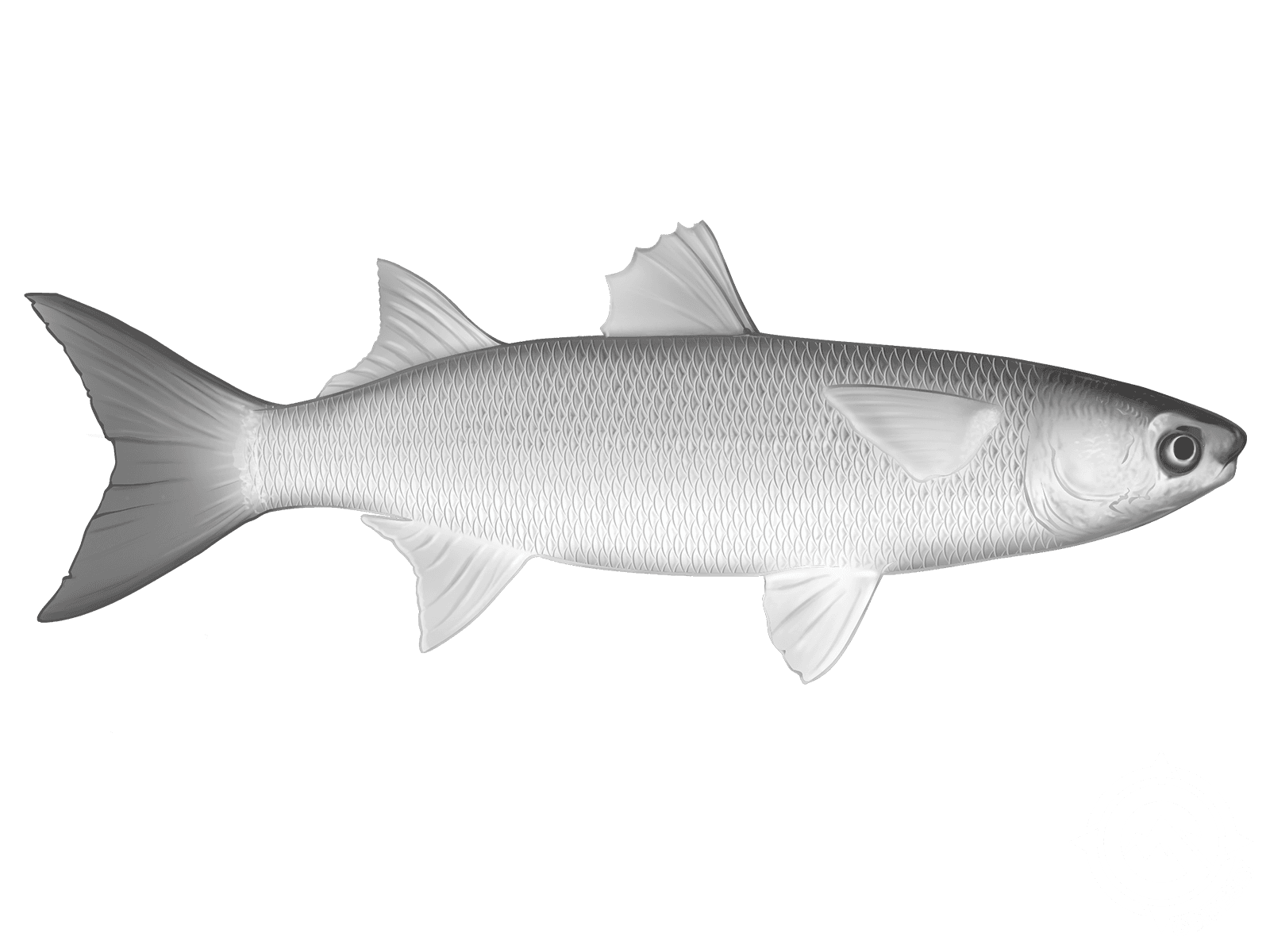
Flathead Grey Mullet Overview
The Flathead Grey Mullet (Mugil cephalus) is a remarkable cosmopolitan fish species belonging to the family Mugilidae and order Mugiliformes. These hardy, silvery-sided gamefish are instantly recognizable by their broad, flattened heads, horizontal striping patterns, and olive-brown backs that blend beautifully into temperate and tropical waters worldwide. What makes this species particularly fascinating is its incredible adaptability—it thrives in saltwater, brackish, and even freshwater environments, making it one of the most versatile and important food fish globally. If you're exploring fishing opportunities in California or any coastal region, chances are you'll encounter this abundant and spirited fighter.
The flathead grey mullet has captured the hearts of anglers and chefs alike for generations. Known for their strong fight, schooling behavior, and excellent table quality, they represent an outstanding opportunity for both recreational and subsistence fishers. Their roe, or bottarga, is considered a delicacy in Mediterranean, Asian, and Middle Eastern cuisines, commanding premium prices in markets from Greece to Japan.
Flathead Grey Mullet Habitat and Distribution
This species is truly a world traveler. The flathead grey mullet can be found throughout tropical, subtropical, and temperate waters across the globe. In the western Pacific, they range from Japan to Australia; in the eastern Pacific, they're distributed from California all the way down to Chile. You'll also find them throughout the western Atlantic, Indian Ocean, and eastern Atlantic, including the Mediterranean and Black Seas. Their presence spans harbors, estuaries, lagoons, rivers, and lakes—they're equally comfortable in coastal shallows as they are in landlocked freshwater systems.
In North America, these fish have established populations in freshwater systems ranging from the Colorado River to the Gala River in the southwestern United States, where they are particularly abundant in canal systems. However, their population in Arizona has unfortunately declined in recent years due to habitat changes and environmental pressures. These mullet prefer shallow waters over muddy or sandy substrates, typically at depths around 10 meters, where they can feed steadily in schools and rest during cooler periods.
Flathead Grey Mullet Size and Weight
Most flathead grey mullet caught by anglers average around 20 inches in length, though they can grow substantially larger under ideal conditions. Maximum sizes typically reach 47 inches, with weights up to 18 pounds reported in well-established populations. What's particularly interesting is that female flathead grey mullet tend to grow slightly larger than males as they mature, and some individuals have been documented living to 16 years of age in the wild. This longevity contributes to their stable populations across most regions.
The average catch size makes them an exciting yet manageable target for anglers of varying skill levels. Their relatively substantial mass, combined with their strong fighting ability and schooling nature, makes landing a decent-sized individual a rewarding experience that keeps anglers returning to the water.
Flathead Grey Mullet Diet and Behavior
Flathead grey mullet are opportunistic feeders with a diet that shifts dramatically throughout their life stages. Juveniles begin by consuming zooplankton and small aquatic organisms, but as they mature, they transition to a bottom-feeding lifestyle. Adults gather in schools and feed on aquatic vegetation, detritus, and dead plant matter found along the water column's floor. They also consume various invertebrates including crustaceans, worms, and small organic particles suspended in the water.
One of the most distinctive behaviors of this species is their tendency to leap spectacularly from the water. They do this both as an escape mechanism when threatened by predators like pelicans and larger fish, and to clear their gills of parasites and debris. This behavior makes them exciting to observe and even more thrilling to hook. Their schooling nature provides safety in numbers against marine predators, including seals and larger gamefish. This social structure is so strong that successful anglers often focus on locating schools rather than individual fish.
Flathead Grey Mullet Spawning and Seasonal Activity
The flathead grey mullet exhibits fascinating migratory behavior tied to their reproductive cycle. While they are highly tolerant of varied salinity levels and can thrive in brackish and even stagnant waters as adults, they maintain a strong instinct to return to the sea for spawning. This anadromous tendency means that seasonal activity peaks around migration periods, particularly in spring and early summer when populations begin moving toward coastal spawning grounds.
For anglers, the best fishing periods are summer and autumn, when these fish are most active in feeding and schooling behaviors. They can technically be caught year-round given their abundance, but the warmer months offer the most consistent and exciting fishing opportunities. Understanding this seasonal rhythm helps anglers time their trips for maximum success and enjoyment.
Flathead Grey Mullet Techniques for Observation and Capture
Bread and Calm Water Method: One of the most accessible techniques for catching flathead grey mullet is deceptively simple yet highly effective. Throw small pieces of bread into calm waters or areas with visible debris, then wait patiently for the fish to respond. This method works exceptionally well in harbors, estuaries, and river mouths where mullet school in predictable locations. The key is patience—these fish are notoriously wary of anglers, so avoid sudden movements and loud noises. Watch carefully for feeding activity before casting your line.
Sabiki Rig and Light Tackle: For more active angling, deploy a six-hook sabiki rig with size 4-8 hooks tipped with small shrimp and housed in a blue bait basket. This setup mimics natural forage and allows you to potentially hook multiple fish simultaneously when schools are feeding. Alternatively, use hardlines or rods with float rigs appropriate for the target size. Since flathead grey mullet are strong fighters, ensure your tackle is rated for their weight and fighting power. Bait options include bread, marine worms, fish guts, or fresh crustaceans.
Fly Fishing for Active Schools: For a more sporting challenge, try fly fishing with tiny patterns similar to those used for bonefish. This technique works particularly well in clear, shallow water where schools are visible. Cast ahead of moving fish and use small, subtle strips to entice strikes. Around California coastal areas and river deltas, fly anglers have discovered excellent opportunities targeting mullet in areas where fresh and saltwater meet.
Flathead Grey Mullet Culinary and Utilization Notes
The flathead grey mullet holds exceptional culinary value and is considered one of the most important food fish worldwide. The flesh is white, firm, and mild-flavored, making it versatile for numerous preparation methods including grilling, baking, and pan-frying. In Mediterranean cuisine, whole mullet is traditionally grilled with herbs and lemon, while Asian preparations often feature steaming and delicate sauces.
However, the real prize for many culinary enthusiasts is the roe. Salted and dried mullet roe—known as bottarga in Italian, avgotaraho in Greek, or karasumi in Japanese—commands premium prices in upscale markets and restaurants worldwide. This ancient delicacy, with its intense umami flavor and firm, pliable texture, represents the pinnacle of fish egg products in many culinary traditions. South Korea and Venezuela report the largest commercial catches of this species, supplying global markets with fresh and processed products that satisfy consistent international demand.
Flathead Grey Mullet Frequently Asked Questions
Q: What is the best bait for catching flathead grey mullet?
A: Bread pieces are surprisingly effective and accessible for beginners, while small shrimp on sabiki rigs produce excellent results for experienced anglers. Marine worms, fish guts, and fresh crustaceans also work well. The key is presenting bait in areas where mullet schools are actively feeding, typically in calm, debris-rich water.
Q: Where can I find flathead grey mullet near major coastal cities?
A: These fish are distributed globally in suitable habitats. In California, look for them in coastal harbors, estuaries, and river deltas where fresh and saltwater mix. They're equally abundant in Mediterranean ports, Asian coastlines, and throughout the Atlantic seaboard. Any area with shallow, muddy bottoms and moderate salinity is a potential hotspot.
Q: Is flathead grey mullet good to eat?
A: Absolutely—they're considered excellent food fish with mild, flaky white flesh that accepts a wide range of flavor profiles. For those seeking the ultimate experience, the roe (bottarga) is a highly prized delicacy in Greek, Italian, Japanese, Korean, and Turkish cuisines, known for its rich, briny, umami-forward taste.
Q: When is the best time to catch flathead grey mullet?
A: Summer and autumn offer peak fishing opportunities, though these abundant fish can be caught year-round in most climates. Seasonal activity intensifies as water temperatures warm and schools gather before spawning migrations in spring and early summer.
Q: Why do flathead grey mullet leap out of the water?
A: They leap both as an escape response when threatened by predators and to clear their gills of parasites and debris. This spectacular behavior is one of the reasons observing and fishing for mullet is so exciting—you never know when you'll witness an impressive aerial display.
Q: How can I distinguish a flathead grey mullet from a white mullet?
A: Examine the dorsal and anal fins carefully. Flathead grey mullet lack scales extending toward these fins, while white mullet have them. Additionally, count the anal fin rays—flathead grey mullet have nine, while white mullet have only eight. The flathead variety also tends to have a broader, more flattened head profile.
More species you can explore on this trip
Tampa Bowfishing Charters Available Trips
Captain Ike's specialized bowfishing boat is built specifically for nighttime hunting, equipped with powerful mounted lights that cut through darkness and reveal targets clearly across the water. The boat sits stable in shallow water, giving you solid footing for accurate shooting angles from multiple positions on the deck. The light setup completely changes how you experience fishing after dark - what looks like empty water becomes alive with visible targets the moment the lights activate. The boat's design prioritizes stability and clear deck space so you can move freely and position yourself for different casting angles without worrying about balance or obstacles. The sleek profile cuts quietly through calm evening water, letting you approach feeding fish without excessive noise. You'll notice right away how purposeful this setup is - everything about the vessel is optimized for spotting and engaging fish in low-light conditions, making even first-time bow fishermen feel confident and comfortable from the moment you leave the dock.