%2Ffit-in%2F250x250%2Fguide_websites%2F10577%2Fimages%2Fcaptain_ike.png&w=1920&q=100)
/users/33e491a2-5a95-40e6-86e0-2feb0441e113/ratecard/successful-fishing-trip-tampa-2433-mf6d075w.jpeg)
%2F300x300%2Fusers%2F33e491a2-5a95-40e6-86e0-2feb0441e113%2Fratecard%2Fsuccessful-fishing-trip-tampa-2433-mf6d075w.jpeg&w=256&q=75)
%2F300x300%2Fusers%2F33e491a2-5a95-40e6-86e0-2feb0441e113%2Fimages%2Flongnose-gar-tampa-florida-2564.jpg&w=256&q=75)
%2F300x300%2Fusers%2F33e491a2-5a95-40e6-86e0-2feb0441e113%2Fimages%2Fsheepshead-fishing-florida-2565.jpg&w=256&q=75)
%2F300x300%2Fusers%2F33e491a2-5a95-40e6-86e0-2feb0441e113%2Fimages%2Ffishing-haul-florida-2615.jpg&w=256&q=75)
%2F300x300%2Fusers%2F33e491a2-5a95-40e6-86e0-2feb0441e113%2Fimages%2Flongnose-gar-florida-fishing-2554.jpg&w=256&q=75)
%2F300x300%2Fusers%2F33e491a2-5a95-40e6-86e0-2feb0441e113%2Fimages%2Fblue-tilapia-fishing-tampa-2594.jpg&w=256&q=75)
%2F300x300%2Fusers%2F33e491a2-5a95-40e6-86e0-2feb0441e113%2Fimages%2Flongnose-gar-tampa-fishing-2553.jpg&w=256&q=75)
%2F300x300%2Fusers%2F33e491a2-5a95-40e6-86e0-2feb0441e113%2Fimages%2Fanglers-fishing-tampa-2479.jpg&w=256&q=75)
%2F300x300%2Fusers%2F33e491a2-5a95-40e6-86e0-2feb0441e113%2Fimages%2Fanglers-catch-great-day-fl-2475.jpg&w=256&q=75)
%2F300x300%2Fusers%2F33e491a2-5a95-40e6-86e0-2feb0441e113%2Fimages%2Fanglers-reeling-fl-2535.jpg&w=256&q=75)
%2F300x300%2Fusers%2F33e491a2-5a95-40e6-86e0-2feb0441e113%2Fimages%2Fsheepshead-catch-tampa-2500.jpg&w=256&q=75)
Best Tampa Bay Night Bowfishing Adventure
 Tampa
TampaWhat you will be catching:
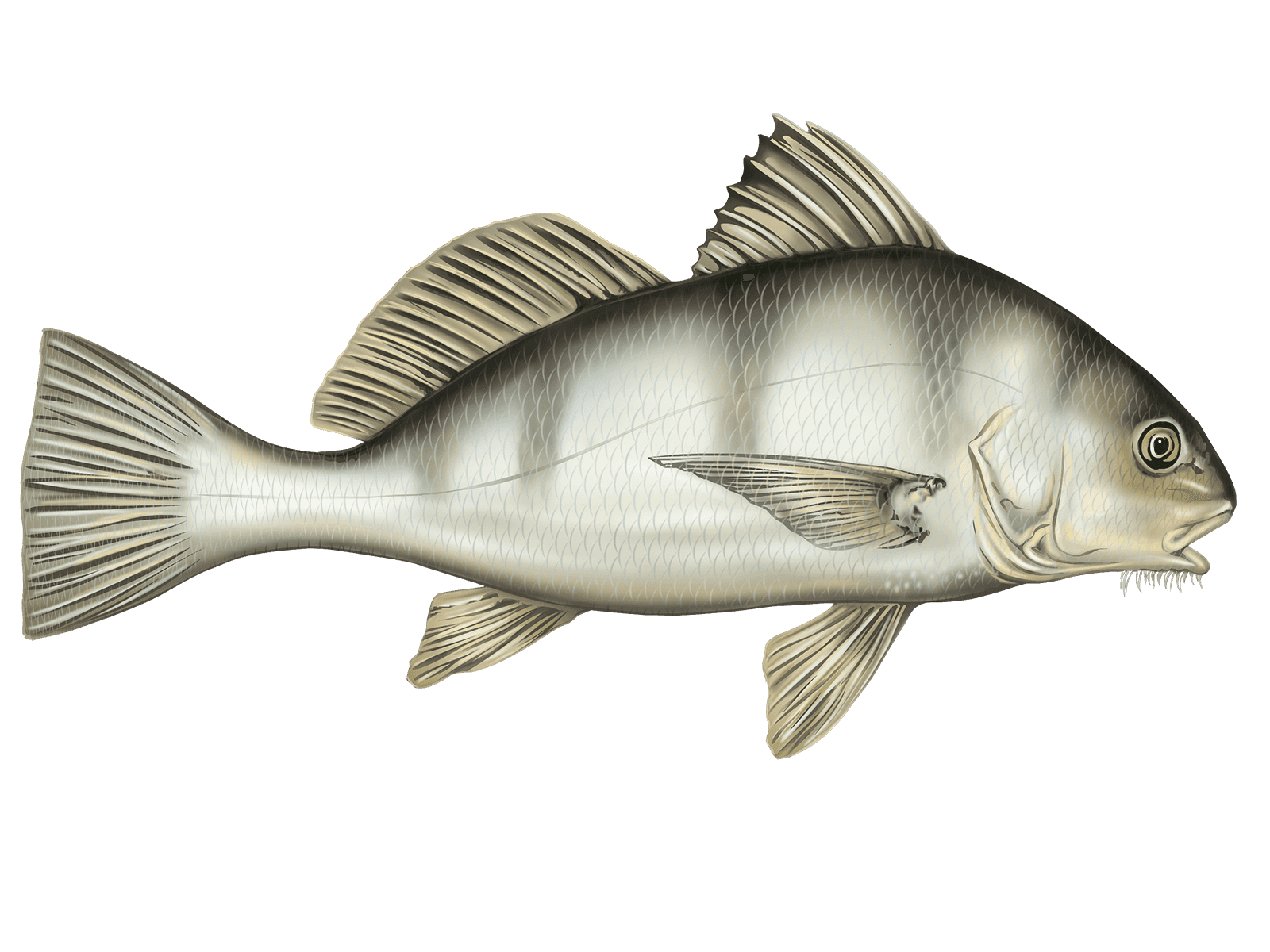
 Black Drum
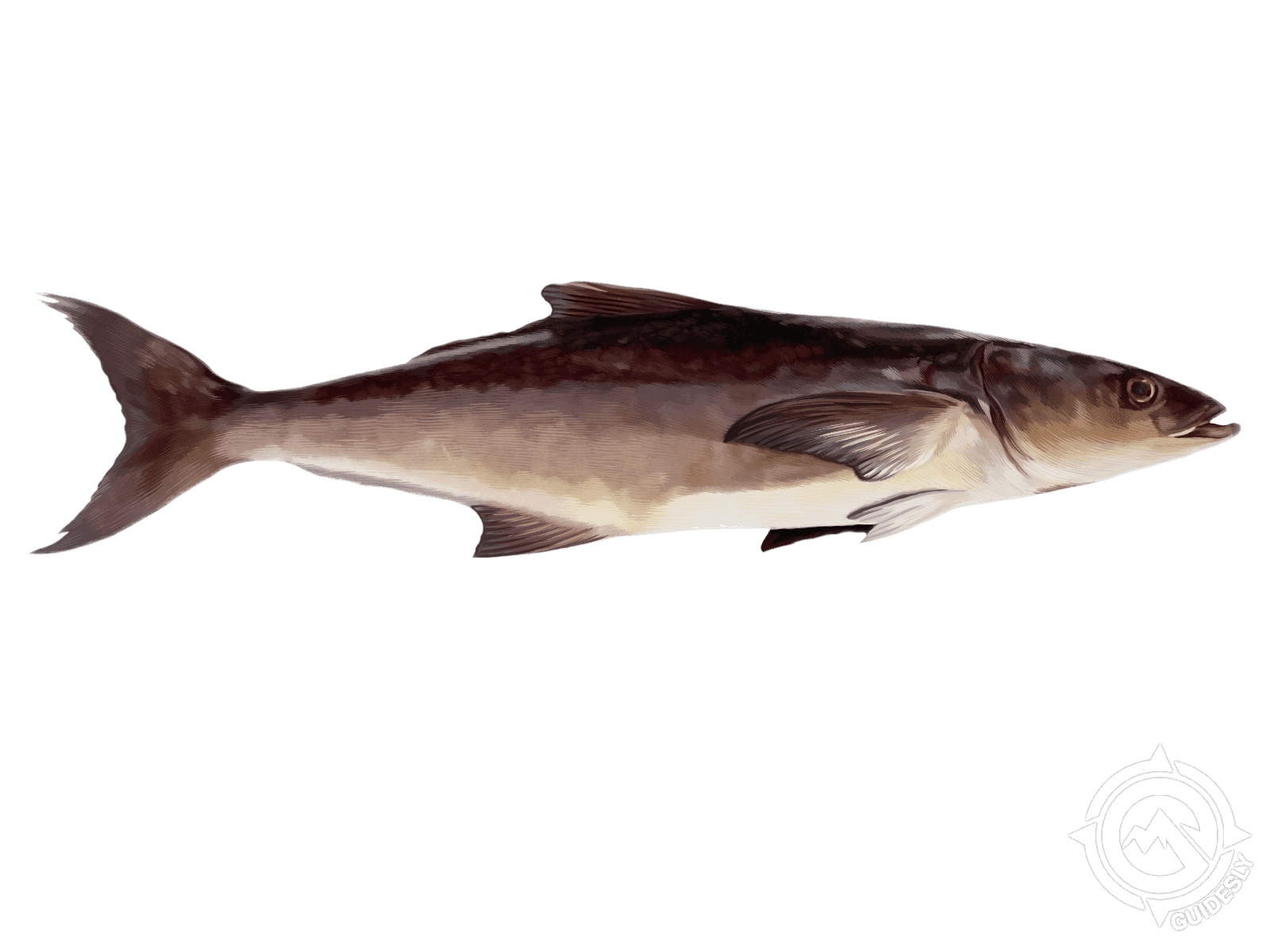
 Cobia
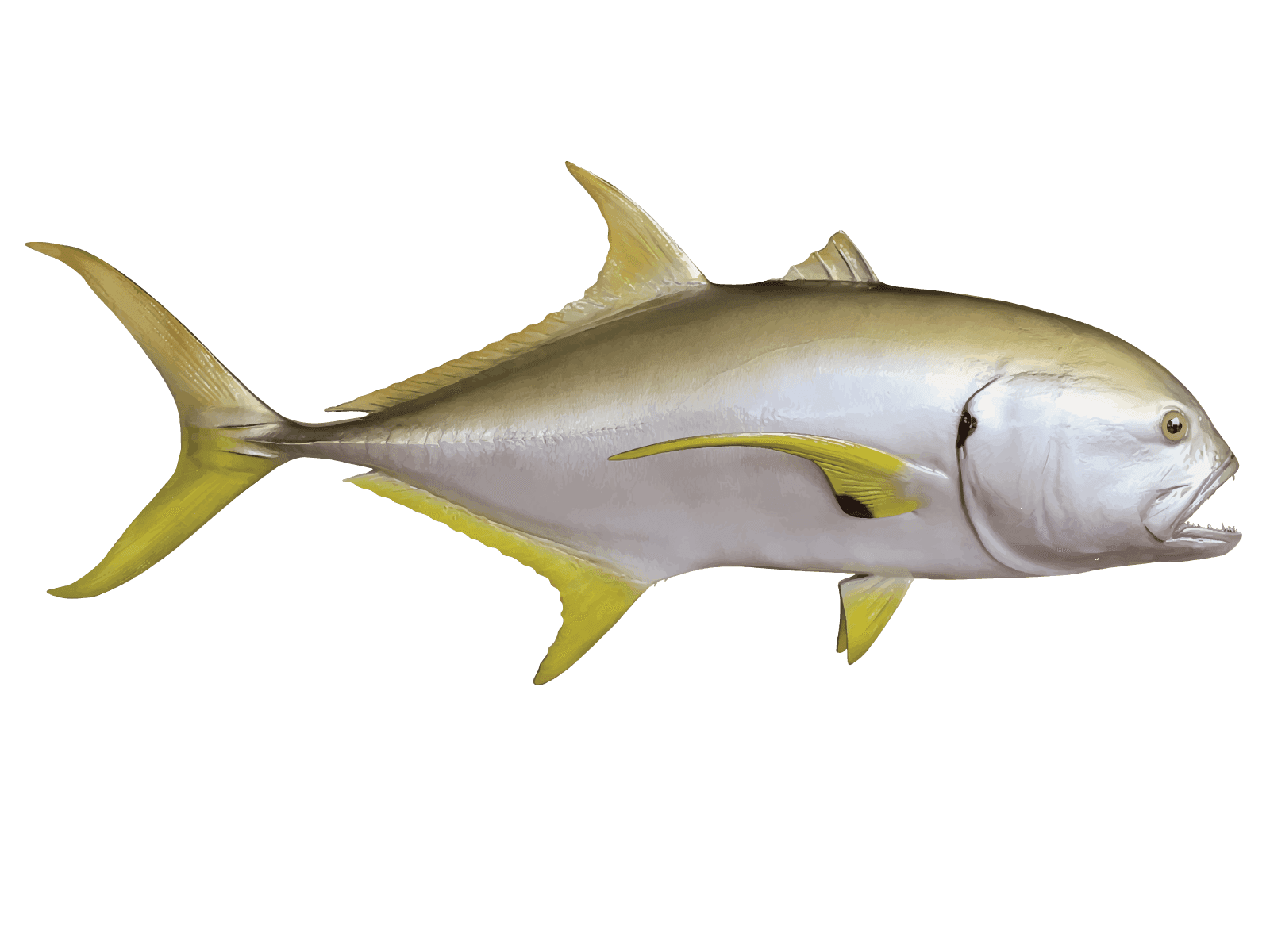
Cobia Crevalle Jack
 Sheepshead
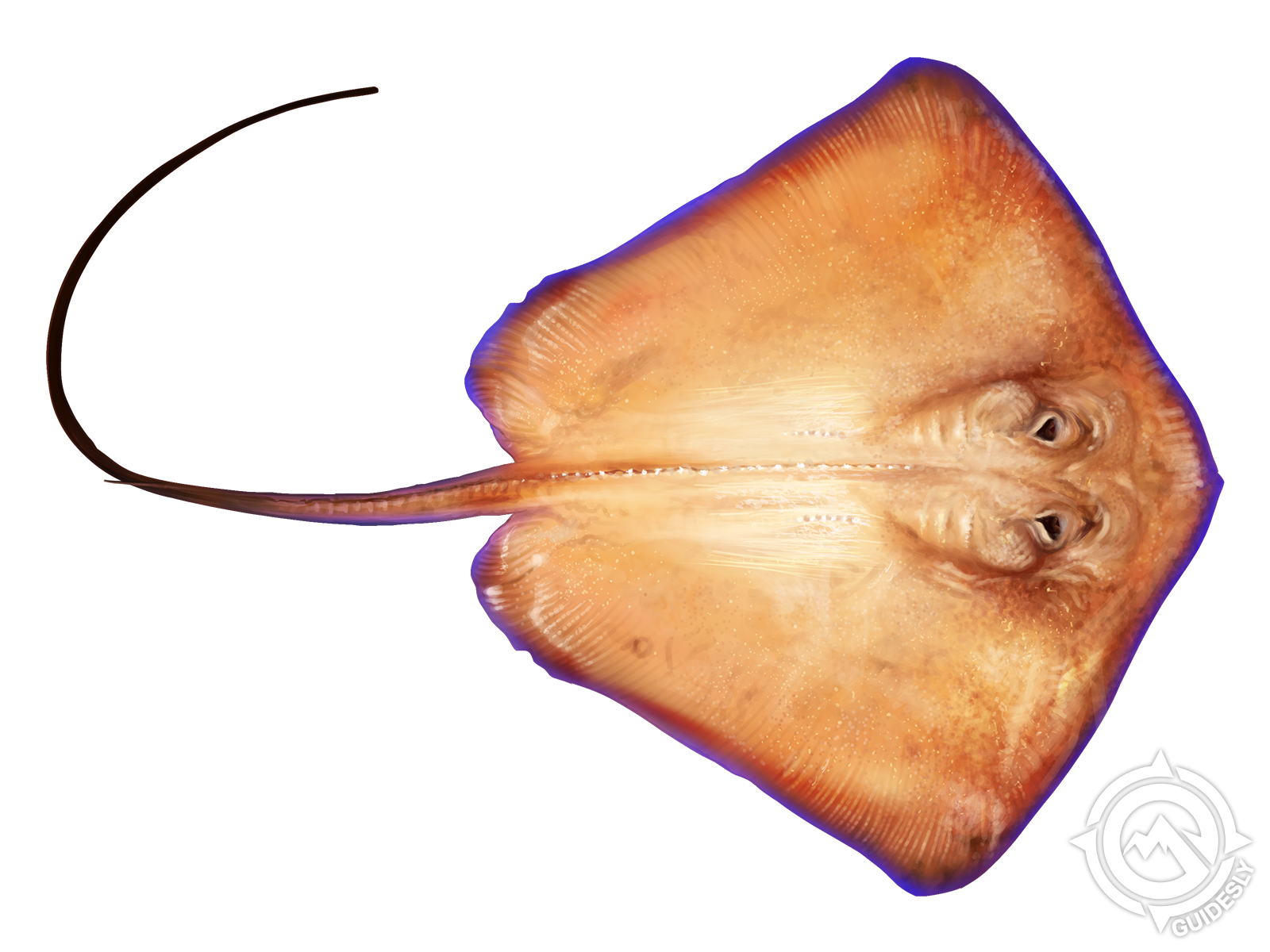 Southern Stingray
- 4-hour nighttime Tampa Bay bowfishing and sightseeing charter at 7 PM
- High-powered lighting reveals stingrays, sheepshead, and nocturnal marine life
- All gear and cold beverages provided for couples and small groups
Trip Pricing and Availabilities:
Night Lights & Bowfishing: Tampa Bay After Dark
Ready for a fresh spin on fishing? Captain Ike's nighttime bowfishing trip in Tampa Bay is where it's at. This laid-back 4-hour cruise kicks off at 7 PM, perfect for those who want to dodge the daytime heat and see the bay in a whole new light – literally. We're talking high-powered lights that turn the water into a fish-spotting playground. But it's not just about nailing that perfect shot; it's a chance to soak in Tampa's skyline, catch some stars, and maybe even spot a manatee or dolphin getting their night moves on.
What's the Deal?
Picture this: You're gliding across Tampa Bay as the sun dips below the horizon. The boat's decked out with some serious lighting, illuminating the water around you like an underwater disco. You've got a bow in your hand (don't worry, we'll show you the ropes), and below the surface, fish are cruising by, totally oblivious to your presence. It's like shooting fish in a barrel, except way cooler and, you know, actually challenging. Whether you're itching to try your hand at bowfishing or just want to kick back and enjoy the ride, this trip's got you covered. We've even got cold drinks on board to keep you refreshed while you're channeling your inner Robin Hood.
Bowfishing 101
Alright, let's break down this bowfishing business. It's not your grandpa's fishing rod and reel setup. We're talking compound bows fitted with specialized reels and arrows designed to pierce the water (and hopefully a fish). The technique? It's all about refraction. See, when you're aiming at a fish underwater, it's not actually where it appears to be. You've got to aim low to hit your mark. Don't sweat it if you're new to this – Captain Ike's got years of experience and will get you dialed in. We provide all the gear, so all you need to bring is a good attitude and maybe a snack or two. Oh, and pro tip: wear clothes you don't mind getting a bit wet or fishy. This isn't exactly a black-tie affair.
Species You'll Want to Arrow
Black Drum: These bad boys are the heavy hitters of our nighttime escapades. They can grow to over 100 pounds, but we usually see them in the 5-30 pound range. Black drum love hanging around structure, so we'll be scanning bridge pilings and oyster beds. They make a distinct grunting sound, so keep your ears peeled too. Best part? They put up a hell of a fight when you connect.
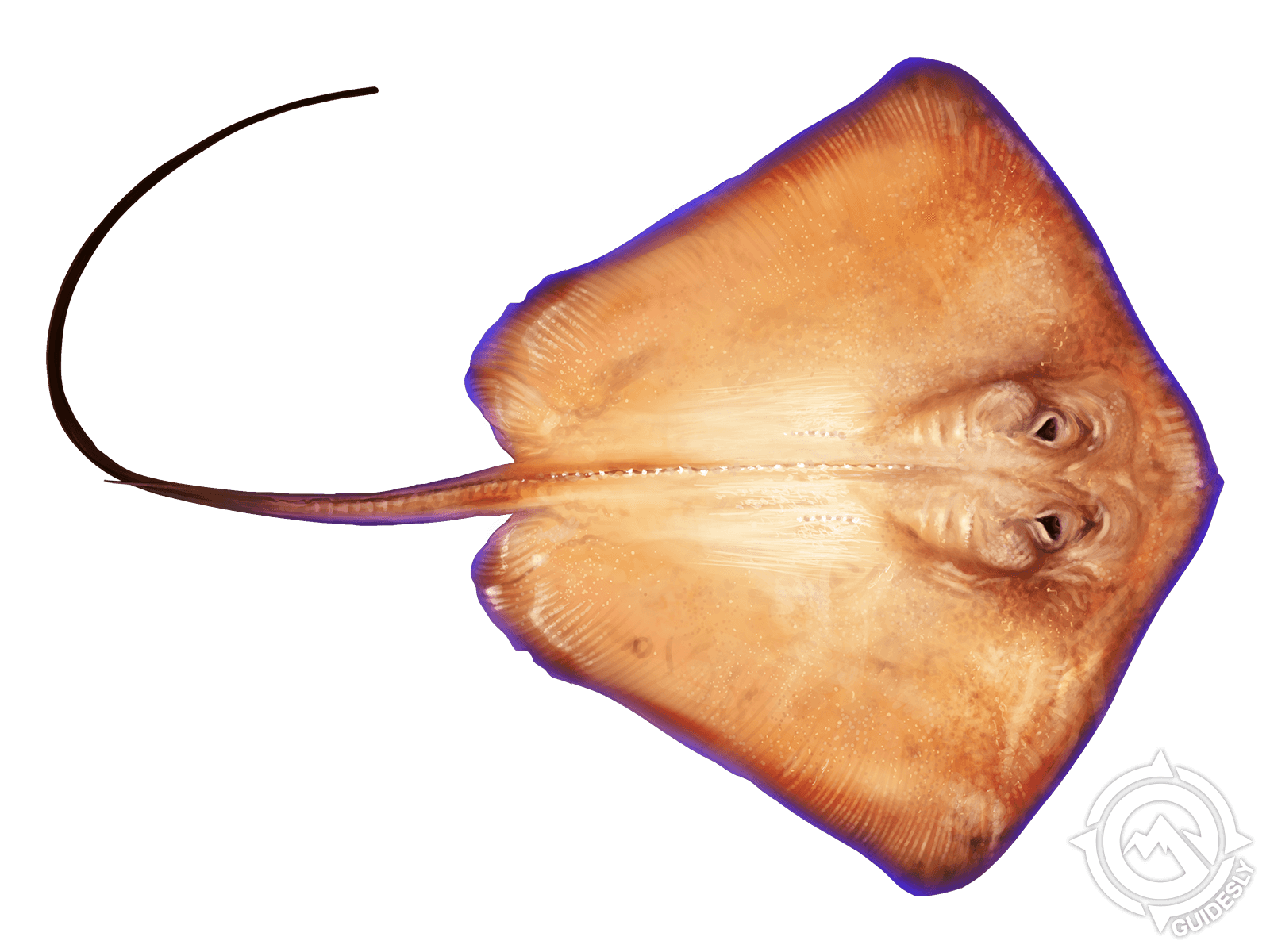
Southern Stingray: Flat as a pancake and just as fun to spot, stingrays are a bowfisher's dream target. They glide along the bottom, often in surprisingly shallow water. Hitting one of these takes serious skill – they're fast movers when spooked. Don't worry about the stinger; we'll teach you how to handle them safely if you land one.
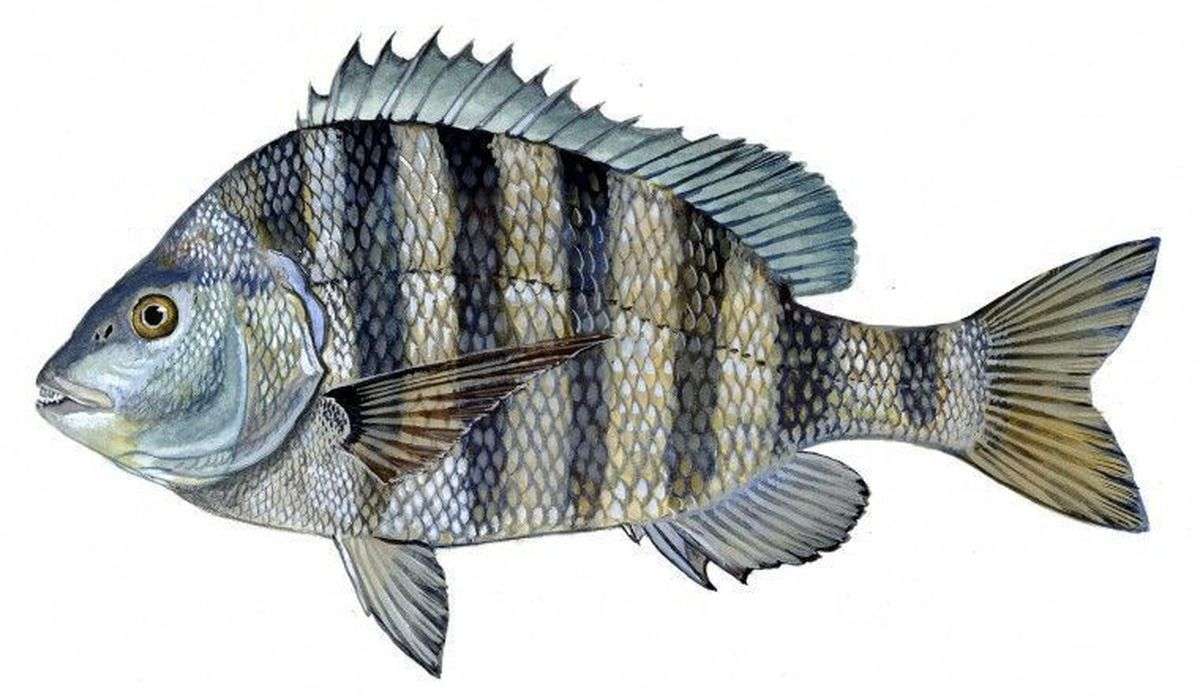
Sheepshead: With their distinctive black and white stripes, sheepshead are like the zebras of Tampa Bay. They hang around structure and can be tricky to spot, but our lights make them stand out. They're known for their hard mouths full of human-like teeth (creepy, right?), which they use to crush barnacles and crabs. Landing one of these is always a crowd-pleaser.
Crevalle Jack: These guys are the speedsters of the bay. Jacks travel in schools and when we find them, it's action-packed. They're strong fighters and can make your reel sing. Spotting a school of jacks in our lights is like seeing silver torpedoes zipping through the water. Pure excitement.
Cobia: The prize catch of the night. Cobia are like the ninjas of the sea – they sneak up on you when you least expect it. They love hanging around larger animals like sharks or rays, so keep your eyes peeled for tag-alongs. Landing a cobia is bragging rights for sure – they're excellent fighters and even better eating if you're into that.
Why Night Owls Love This Trip
Look, daytime fishing is great and all, but there's something special about being out on Tampa Bay after dark. The water's calmer, the air's cooler, and let's be real – it feels a bit rebellious, like you're getting away with something. Our high-powered lights don't just help us spot fish; they attract all sorts of marine life. You might see shrimp dancing in the beams, or even a curious shark cruising by. And let's not forget the Tampa skyline – it's a whole different beast at night, twinkling in the distance while you're out on the water. It's the perfect mix of action and chill, making it ideal for date nights, small groups, or anyone who wants to see Tampa Bay's wilder side.
Time to Nock an Arrow
So, you ready to give nighttime bowfishing a shot? (See what I did there?) This trip is perfect if you're looking to shake up your fishing game or just want a unique way to experience Tampa Bay after hours. Captain Ike knows these waters like the back of his hand and is always good for a few laughs and local stories. Whether you're a seasoned bowfisher or a total newbie, you'll have a blast. And hey, even if you don't land the big one, you're guaranteed some killer photos and bragging rights. Spots fill up fast, especially during peak season, so don't sleep on this. Book your trip now and get ready for a night on Tampa Bay you won't forget. Trust me, your Instagram will thank you.
Learn more about the species
Black Drum
These big bruisers are a favorite target in Tampa Bay. Typically 5-30 pounds, but can reach a whopping 90 pounds. Look for them around oyster beds, mudflats, and inlets. They use those powerful jaws and teeth to crunch shellfish, so oyster-rich areas are prime spots. Spring is spawning season when they school up and are easier to find. Listen for their distinctive drumming sound! For bait, you can't beat live crabs or clams. A local trick: use a buck tail jig tipped with shrimp and bounce it slowly along the bottom. Black drum put up a great fight and make excellent table fare when smaller (under 15 pounds). The meat gets tough in bigger fish, so we usually release those giants. Patient anglers do well - these fish can be finicky, but the reward is worth it.
Cobia
Cobia are like the supermodels of Tampa Bay – long, lean, and always turning heads. These solitary hunters can reach 6 feet and 100 pounds, though most run 20-40 pounds. Often mistaken for sharks, they cruise just under the surface looking for an easy meal. Cobia love structure, so we target them around buoys, wrecks, and even big rays or turtles they follow. Spring and early summer are prime as they migrate through. Sight fishing is the name of the game – keep your eyes peeled and be ready to cast. Live eels or big jigs work great. Here's a pro tip: once hooked, get them away from the boat fast or they'll wrap you around the motor. Cobia put up an epic fight and make excellent table fare. It's no wonder they're on many anglers' bucket lists. Just remember, they're heavily regulated, so know the current limits before you keep one.
Crevalle Jack
Crevalle jacks are the bulldogs of Tampa Bay – all muscle and attitude. These golden-sided bruisers usually run 3-5 pounds, but can top 60 pounds in deeper water. They're speed demons, chasing baitfish both inshore and offshore. Look for diving birds to find feeding schools, especially in the warmer months. Jacks aren't picky eaters – they'll hit just about any lure that moves fast. For a real thrill, try topwater plugs when they're busting bait on the surface. These fish fight like their tails are on fire, so hang on tight! While they're not the best eating, pound-for-pound they're some of the hardest fighting fish in the bay. A local trick: if you see a big ray, look for jacks following close behind – they use the ray as cover to ambush prey. Cast past the ray and retrieve quickly for explosive strikes.
Sheepshead
These striped "convict fish" are a blast to catch and even better to eat. Most run 1-8 pounds, but trophy fish pushing 20 pounds aren't unheard of. Look for them around any barnacle-covered structure – docks, bridges, and rock piles are prime spots. They've got human-like teeth perfect for crushing crabs and barnacles. Spring is prime time as they school up to spawn. Sheepshead are notorious bait stealers, so here's a local tip: use a small, sharp hook and set it quick when you feel the slightest nibble. Fiddler crabs are my go-to bait. These fish put up a scrappy fight on light tackle. Once you get them in the boat, you're in for a treat – their white, flaky meat is some of the best eating in the bay. Just be ready to work for your dinner – those tough scales make cleaning a bit of a chore!
Southern Stingray
These kite-shaped rays are a common sight gliding across Tampa Bay's sandy bottoms. Females can reach an impressive 5 feet across, while males top out around 2 feet. They're not aggressive, but watch your step – that barbed tail packs a punch if you accidentally step on one. We often spot them in shallow, sandy areas or seagrass beds. They're most active at night, which makes our evening trips perfect for sightings. Stingrays use their "wings" to uncover small fish, crustaceans, and worms hiding in the sand. While we don't target them for catch, they're fascinating to watch. If you want to try bowfishing one, aim just behind the eyes. Remember, it's all catch-and-release for rays on our trips. The real thrill is seeing these graceful creatures up close in their natural habitat.
About the Tampa Bowfishing Charters
%2F%2Fusers%2F33e491a2-5a95-40e6-86e0-2feb0441e113%2Fvehicle_picture%2Ftbcboat.jpg&w=1920&q=75)
Vehicle Guest Capacity: 5
Manufacturer Name: Mercury
Maximum Cruising Speed: 30
Number of Engines: 1
Horsepower per Engine: 115